Engine Diagnostics
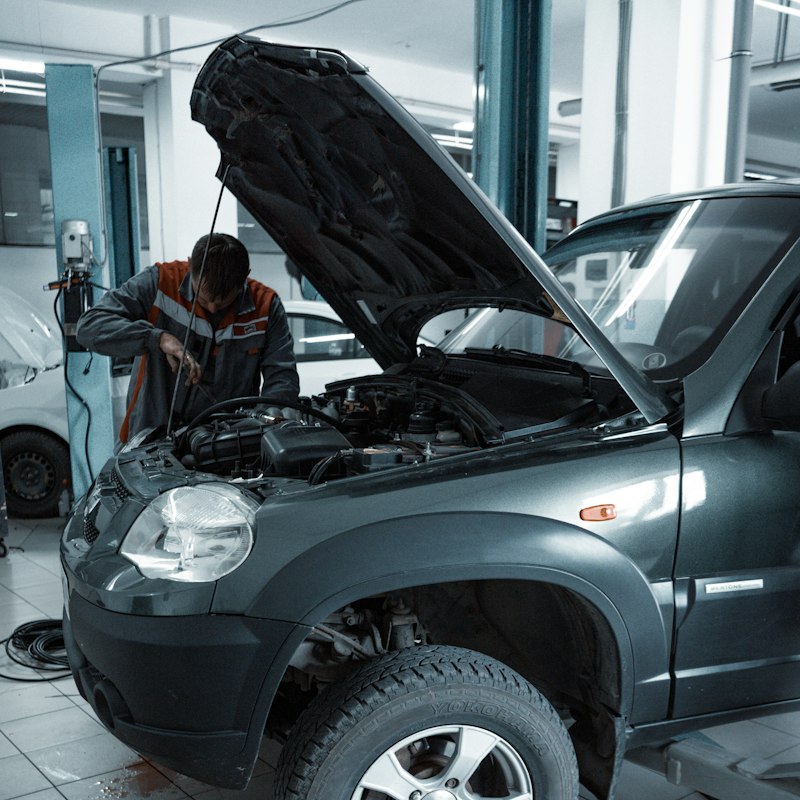
Modern vehicles rely on complex electronic systems to monitor engine performance. When a warning light appears, our diagnostic process combines computer scanning with physical inspection to identify the root cause.
We check sensor readings, examine exhaust emissions, test fuel delivery systems, and inspect timing components. This comprehensive approach reveals issues that might not trigger error codes but still affect performance.
- Electronic control unit scanning
- Sensor functionality testing
- Emission system analysis
- Fuel pressure measurement
- Detailed diagnostic report

Brake System Service
Brake performance directly affects safety. Our service includes pad replacement, rotor inspection and resurfacing, caliper functionality testing, and brake fluid condition analysis.
We measure rotor thickness to determine if resurfacing is viable or replacement is necessary. Brake fluid is tested for moisture content, which affects boiling point and braking effectiveness.
- Pad thickness measurement and replacement
- Rotor surface evaluation and machining
- Caliper slide pin lubrication
- Brake fluid moisture testing
- System pressure verification
Oil Change & Filter Replacement
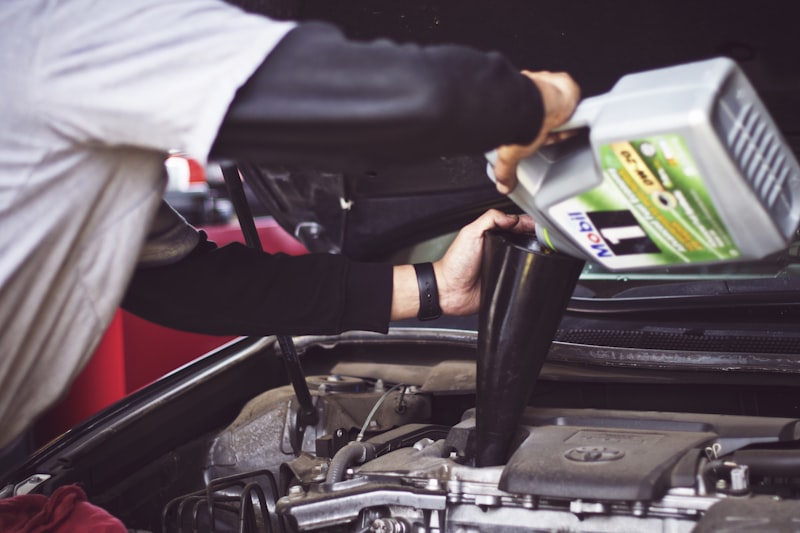
Engine oil degrades over time, losing its ability to lubricate and protect internal components. We use oil that meets or exceeds your vehicle manufacturer's specifications, ensuring optimal protection.
The service includes draining old oil, replacing the oil filter, installing fresh oil, and checking for leaks. We also inspect the drain plug and gasket, replacing them if wear is evident.
- Synthetic or conventional oil options
- Premium oil filter installation
- Drain plug and gasket inspection
- Oil level verification
- Fluid condition documentation

Full Vehicle Inspection
This multi-point inspection covers every major system in your vehicle. We examine engine components, transmission operation, suspension condition, steering response, electrical systems, and safety features.
The inspection identifies current issues and potential problems that may develop. You receive a written report detailing our findings, with recommendations prioritized by urgency.
- Engine and transmission assessment
- Suspension and steering evaluation
- Electrical system functionality check
- Tire condition and tread depth measurement
- Comprehensive written report
Transmission Service
Transmission fluid lubricates gears and facilitates smooth shifting. Over time, this fluid accumulates debris and loses its protective properties. Our service includes fluid exchange, filter replacement where applicable, and performance testing.
We inspect for leaks, check solenoid operation in automatic transmissions, and verify clutch engagement in manual systems. This preventive maintenance extends transmission lifespan significantly.
- Complete fluid exchange
- Filter replacement (if accessible)
- Pan gasket inspection and replacement
- Shift quality evaluation
- Leak detection and repair

Air Conditioning Service
Climate control systems require regular maintenance to operate efficiently. We check refrigerant levels, inspect for leaks using UV dye or electronic detection, test compressor operation, and verify temperature output.
If refrigerant is low, we locate and repair the leak before recharging the system. Simply adding refrigerant without fixing leaks results in recurring problems.
- Refrigerant level assessment
- Leak detection and repair
- Compressor functionality testing
- Cabin air filter replacement
- Temperature output verification